Understanding Brake Problems: What Every Pensacola Driver Should Know
Understanding Brake Problems isn’t just about avoiding expensive repairs—it’s about protecting your family, your time, and your peace of mind on the road. If you’ve ever wondered whether that squeak, vibration, or soft pedal is normal or a warning, you’re not alone. Many busy Pensacola drivers hear something “off” and hope it goes away. Sometimes it does. Sometimes it doesn’t—and ignoring it can turn a manageable fix into a major safety issue.
Let’s break this down in a clear, honest, Q&A format, just like one car owner talking to another, with guidance informed by real-world experience and insights echoed by professionals like Able Auto Repair, who see these issues daily.
What Are the Most Common Brake Problems Drivers Face?
Understanding Brake Problems starts with recognizing patterns. Across mechanic forums and shop conversations, the same issues come up again and again:
Common brake problems include:
- Brake pads wearing out
- Squeaking or grinding noises
- Vibration when braking
- Soft or spongy brake pedal
- Pulling to one side when stopping
- Brake warning light activation
Think of your braking system like a team working in sync. When one player starts missing steps, the whole system feels it.
Understanding Brake Problems: How Often Do Brake Pads Need Replacement?
Brake pads are the most common wear item in your braking system.
Typical lifespan:
- 30,000–70,000 miles, depending on driving habits, vehicle type, and road conditions
Stop-and-go traffic around Pensacola, short trips, and coastal humidity can shorten pad life. One mechanic forum story described a driver who “never heard a sound” until the pads were completely gone—by then, rotors were damaged too.
Warning Signs Your Brake Pads Are Worn:
- High-pitched squealing
- Grinding noises (metal-on-metal)
- Longer stopping distances
- Dashboard brake warning light
First-step option:
If you’re comfortable, peek through your wheel spokes. If the pad looks thinner than a stack of nickels, it’s time to call a professional.
Why Are My Brakes Squeaking?
This is one of the most misunderstood parts of Understanding Brake Problems.
Squeaking doesn’t always mean danger, but it’s never meaningless.
Common Causes:
- Normal wear indicators (designed to squeal)
- Brake dust buildup
- Moisture or humidity
- Low-quality or mismatched pads
Think of squeaking like your car clearing its throat. Sometimes it’s just a cough. Sometimes it’s a warning that shouldn’t be ignored.
If squealing continues after a few stops—or turns into grinding—that’s your cue to escalate.
Understanding Brake Problems: What Does It Mean If My Steering Wheel Shakes When I Brake?
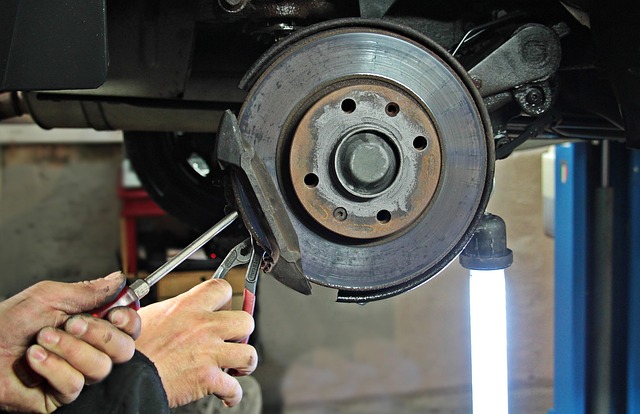
A vibrating steering wheel during braking usually points to warped rotors.
Why Rotors Warp:
- Excessive heat
- Sudden hard stops
- Uneven pad wear
- Improper installation
Drivers often describe this sensation as “a pulse” or “shudder,” especially at highway speeds. It’s not just annoying—it reduces braking efficiency.
This is where shops like Able Auto Repair often recommend inspection before resurfacing or replacement, depending on rotor thickness and safety margins.
Why Does My Brake Pedal Feel Soft or Spongy?
A soft brake pedal is one of the most urgent brake symptoms.
Possible Causes:
- Air in brake lines
- Brake fluid leak
- Failing master cylinder
- Moisture-contaminated brake fluid
Imagine squeezing a stress ball instead of a solid block—that’s what a soft pedal feels like to your braking system. If the pedal sinks toward the floor, stop driving and get professional help immediately.
Understanding Brake Problems: Can I Safely Drive With Brake Problems?
Short answer: Sometimes—but you shouldn’t gamble.
Minor squeaks might be okay temporarily. Grinding, pulling, vibration, or pedal issues are not wait-and-see problems.
One forum post shared a common regret: “I thought I could make it through the weekend.” By Monday, the repair bill doubled.
What Should I Check Before Calling a Professional?
While brakes aren’t a DIY system for most drivers, there are safe first steps:
First-step options:
- Listen carefully: squeak vs. grind
- Check dashboard warning lights
- Notice changes in pedal feel
- Pay attention to stopping distance
- Look for visible pad thickness (if accessible)
If something feels different, trust that instinct.
Why Local Expertise Matters in Pensacola
Coastal air, humidity, heat, and daily driving patterns matter. Shops like Able Auto Repair understand how Pensacola conditions affect braking systems differently than inland areas.
Brake systems don’t fail overnight. They whisper before they shout. The key is listening early.
Some Final Thoughts on Understanding Brake Problems
Understanding Brake Problems isn’t about fear—it’s about awareness. Your brakes are the single most important safety system on your vehicle. Ignoring early warning signs is like muting a smoke alarm because it’s inconvenient.
If something feels off, don’t second-guess yourself. Talk to professionals who see these problems every day and understand how local driving conditions affect your car.
Your future self—and everyone riding with you—will thank you.
Image Courtesy of: https://pixabay.com/photos/auto-repair-shop-workshop-brake-disc-1954636/
Looking for local mechanics near me? Then look no further. We’re Able to Help!
We’re Open
M-F: 7:30am – 5:30pm
Sat-Sun: Closed


